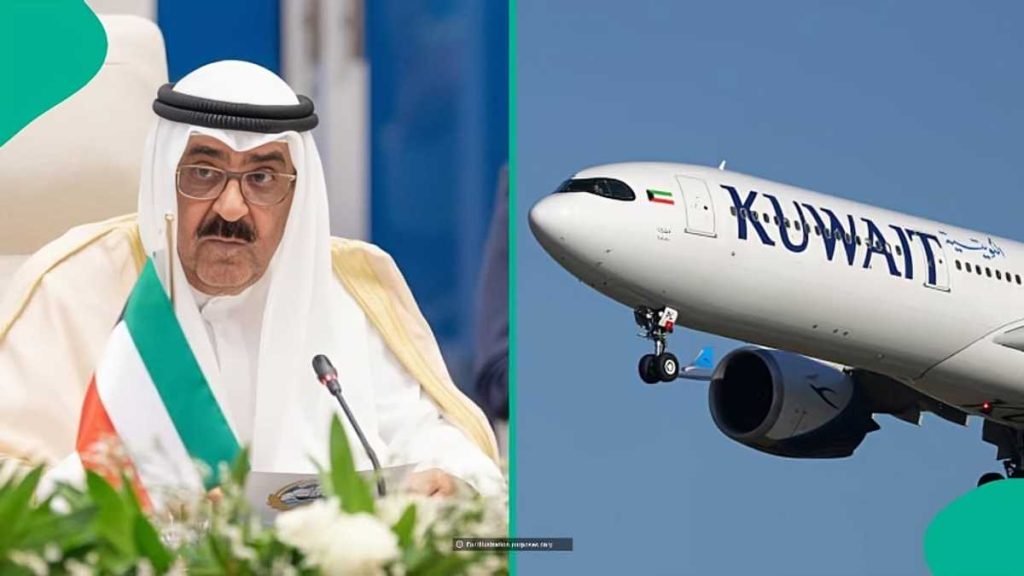
Kuwait lists 59 items passengers cannot take inside aircraft cabins
- Kuwait's aviation authorities published a comprehensive list of items that passengers cannot carry into an aircraft cabin or security-restricted areasThe banned items spanned weapons, sharp objects, explosive devices, dangerous chemicals, and several everyday tools that could pose a risk on boardSpecial exceptions applied to medicines, baby milk, baby food, and products required for special dietary needs under the 100ml liquid rule
Kuwait has released a detailed list of 59 items that passengers are prohibited from carrying into aircraft cabins or any security-restricted area at airports, citing safety risks to passengers and aircraft.
The restrictions are broad, covering everything from obvious threats such as firearms and explosives to less obvious items including ropes, masking tape, and certain tools. Passengers travelling through Kuwait should review the full list carefully before packing their carry-on luggage.
14 firearms and related items prohibited in Kuwait aircraft cabins
The following firearms and related items are prohibited:
1. Pistols, revolvers, rifles and shotguns
2. Toy guns, replicas and imitation firearms that look like real weapons
3. Parts of firearms, except telescopic sights
6. Signal flare guns and starter pistols
10. Stun guns and electric shock batons
11. Devices used to stun or kill animals
13 sharp objects and tools prohibited in Kuwait cabin baggage
18. Knives with blades longer than 6cm
19. Scissors with blades longer than 6cm
23. Drills and drill bits, including cordless portable drills
24. Screwdrivers and chisels longer than 6cm
25. Saws, including cordless portable power saws
4 blunt objects banned from Kuwait aircraft cabins
30. Billy clubs, blackjack and nightsticks
31. Martial arts equipment used for striking
9 explosives and dangerous devices banned by Kuwait
33. Blasting caps, detonators and fuses
34. Replica or imitation explosive devices
35. Mines, grenades and other military explosives
37. Smoke-generating canisters and cartridges
38. Dynamite, gunpowder and plastic explosives
39. Briefcases with built-in alarm devices
40. Cases containing lithium batteries or pyrotechnic materials
Kuwait aircraft cabins: Hazardous chemicals and substances
41. Compressed gases, including camping gas and butane
44. Corrosive materials, including acids and alkalis
45. Mercury, including mercury in thermometers
47. Flammable liquids, including lighter fuel, paints and paint thinners
48. Flammable solids and easily ignited materials
49. Matches and substances that can catch fire on their own
50. Substances that release flammable gases when they come into contact with water
51. Oxidising substances, including bleaching powder and peroxides
53. Poisonous and infectious substances
56. Offensive or irritating substances
Kuwait carry-on luggage: Other restricted items
59. Liquids, aerosols and gels in containers larger than 100ml
Regarding liquids, passengers are permitted to carry containers of up to 100ml each, but all such items must fit inside a single transparent, resealable plastic bag with a maximum capacity of one litre, and that bag must close fully.
Exceptions are made for medicines, baby milk, baby food, and products required for special dietary needs.
Kuwait: clothes men cannot wear to work
Meanwhile, Legit.ng recently reported that Kuwait had released a list of clothing items male employees were prohibited from wearing while on duty. The banned clothing included short trousers, T-shirts, sportswear, shirts bearing inappropriate pictures or messages, and hats carrying inappropriate pictures or messages.
The traditional Dishdasha was also considered unacceptable when worn without the accompanying Ghutra and Egal. The guidelines outlined the type of dressing male employees were expected to avoid while at work in the country.
Proofreading by Funmilayo Aremu, copy editor at Legit.ng.
Muhammed Hammed Olayinka (Human Interest Editor) Muhammed has worked with Oracle UNILORIN, Opera News Hub, Scopper News, Gistreel, and now LEGIT.ng. He won the NAPSS President Writing Skirmish (2017) and was first runner-up in the UNILORIN Senate Writing Contest (2018). He can be reached via email at muhammed.hammedolayinka@corp.legit.ng